
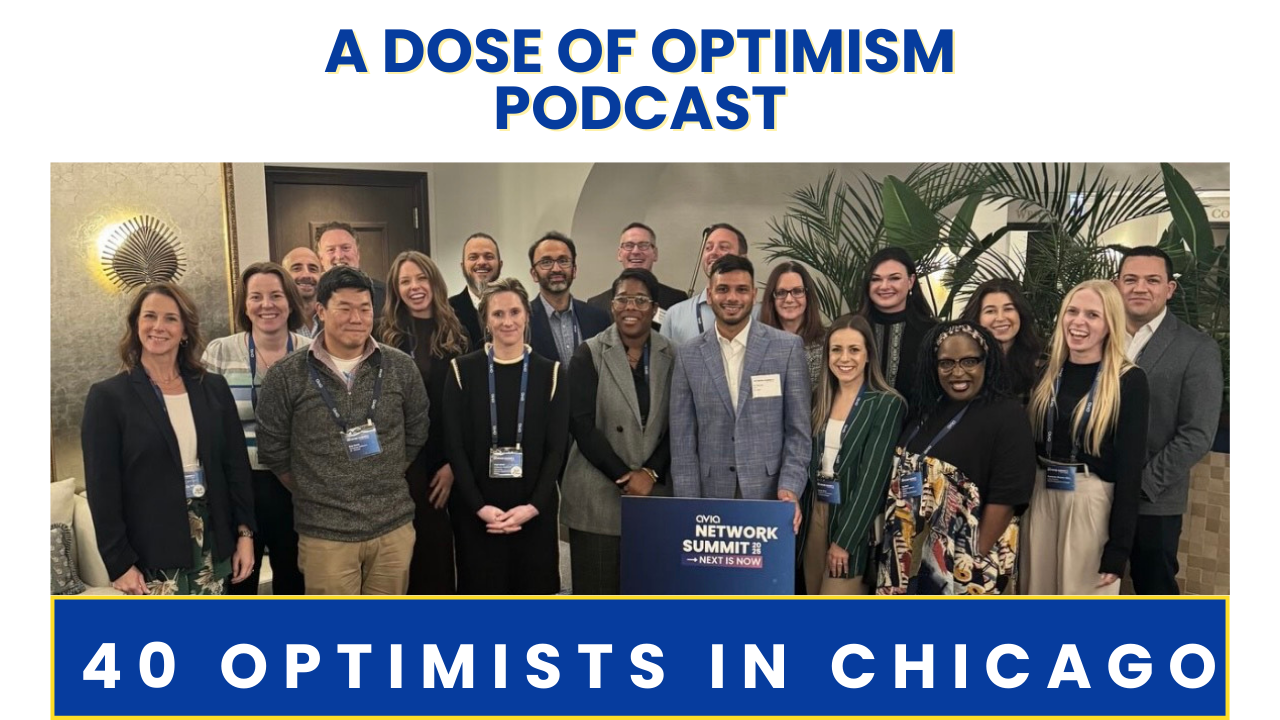
Every year, dozens of people whose jobs rarely get attention gather in the same room: the innovators, operators, policy experts, and digital health leaders working quietly behind the scenes to make pediatric care better. This year, they met in Chicago for the KidsX Pediatric Health Innovation Summit, a day full of conversation, insight, and optimism.
This community often works out of the spotlight. But these individuals (leaders in hospitals, government, startups, and payer organizations) help pediatric innovation move forward. They build bridges between clinical teams and technology, navigate complex policy landscapes, and champion solutions that wouldn’t exist without them.
Stories From the Front Lines
The day began with a personal reflection from Clay Holderman, CEO of AVIA, who shared his family’s journey navigating osteosarcoma care across two states. His story grounded the room in the emotional and logistical realities families face, and why innovation matters.
Next, Stacy Zoucha from Children’s Nebraska walked attendees through how her team reimagined the patient experience by building a digital front door with Gozio Health. She highlighted a simple truth: families want clarity. They want to know where to park, where to go, and how to navigate a complex medical campus. And sometimes, small digital tools reduce huge amounts of stress.
AI, Data, and the Pediatric Opportunity
Ali Nasser from AVIA shared a striking statistic: 1 in 5 AI tools used in healthcare repurpose adult models without pediatric validation. The rest don’t attempt pediatric modeling at all. As he put it, “Children are growing up in an AI-powered health system built for adults.”
But he also pointed out a unique opportunity: pediatric systems follow patients from birth through adolescence. That longitudinal data, when used thoughtfully and ethically, can support safer, more tailored digital tools.
Government as a Collaborator
Many were surprised by what came next. Stephen Konya from HHS challenged the room to rethink government not as a barrier, but as a collaborator. He encouraged innovators to bring agencies into the conversation early, not for funding alone, but for insights, policy alignment, and shared priorities.
The State of Pediatric Device Innovation
Finally, Dr. Juan Espinoza from Lurie Children’s explored the history and future of pediatric device development. He explained how pediatric device consortia, like CTIP, are working to strengthen early-stage innovation and build ecosystems where great ideas can find the right partners, data, and support.
Why the Future Still Feels Bright
Despite challenges (limited investment, complex reimbursement, data fragmentation) the leaders in the room were overwhelmingly optimistic. As Dr. Espinoza said:
“There’s so much cool stuff left to do. And we have more and better tools every day to solve those problems.”
This episode captures a rare behind-the-scenes look at the people shaping the next decade of pediatric innovation. And if Chicago taught us anything, it’s that when 40 passionate optimists gather, good things happen. Tune in here.
Key Topics Discussed:
- The role of “innovation enablers” in pediatric healthcare
- Care coordination, patient experience, and digital front doors
- Challenges in pediatric AI and model validation
- Policy, federal engagement, and innovation pathways
- Medicaid complexity and reimbursement barriers
- Pediatric medical device ecosystem and PDC programs
- Remote care, telehealth, VR, digital therapeutics
- National vs. state-level decision-making in pediatric care
- Opportunities for hospitals to collaborate with government
- The importance of community, networks, and shared learning
