
Healthcare innovation often begins with a simple question: how can we do better for patients?
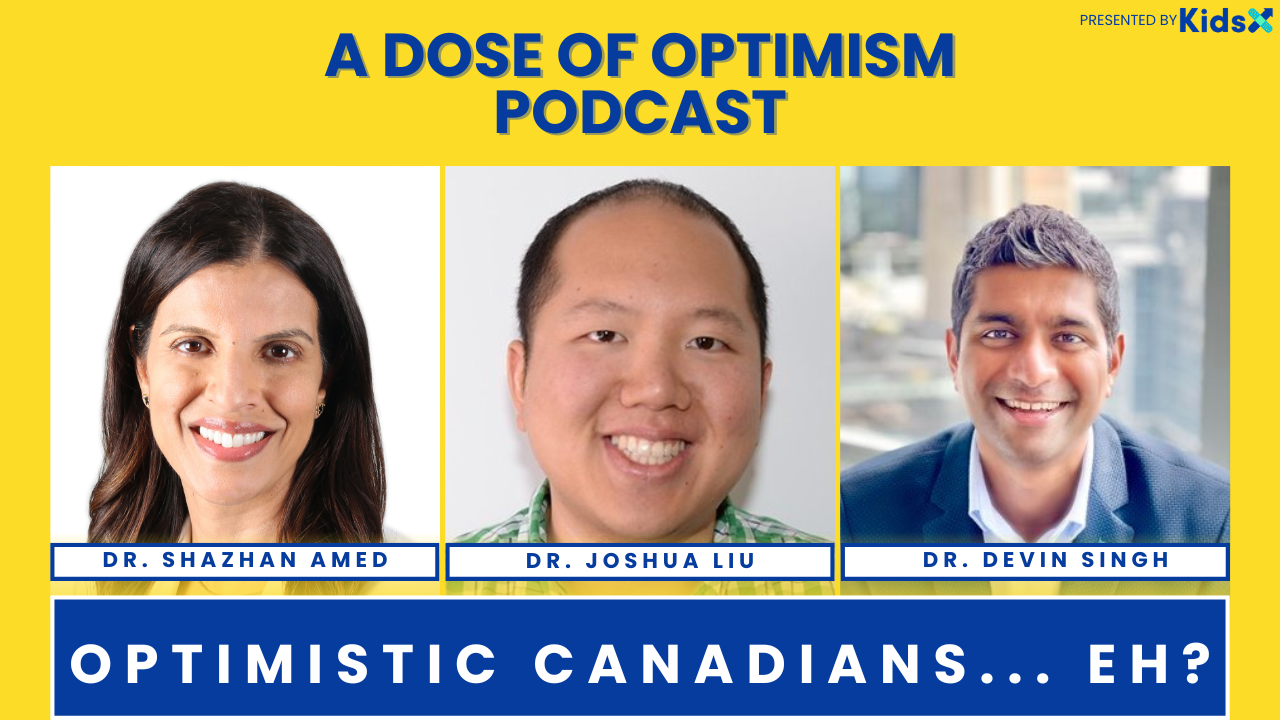
In this episode, three physician innovators from Canada discuss how digital health platforms, artificial intelligence, and system-level thinking are transforming pediatric care. From diabetes management to AI-assisted emergency care, their work reflects a shared belief that better data and smarter systems can create healthier futures for children.
Using Data to Transform Diabetes Care
Dr. Shazhan Amed, pediatric endocrinologist and founder of Haibu Health, focuses on improving care for children living with type 1 diabetes. Today’s diabetes technology generates enormous amounts of data (from glucose sensors to insulin pumps), yet clinicians and families often struggle to turn that information into actionable insights.
Haibu Health aims to unify that data and create a digital platform that supports patients across their entire healthcare journey, from diagnosis to adulthood. The goal isn’t just improving daily management, it’s preventing complications decades later. Reducing long-term complications such as kidney disease, blindness, or cardiovascular disease could dramatically improve both patient outcomes and healthcare system sustainability.
The Next Wave of AI in Healthcare
Dr. Joshua Liu, co-founder of SeamlessMD, reflects on the rapid evolution of artificial intelligence in healthcare. The first major wave focused on AI scribes, tools that summarize clinical conversations and reduce documentation burden. While that use case delivered immediate value, the next generation of AI innovation is moving deeper into care delivery.
Examples include:
- Chart summarization
- Automated discharge instructions
- Patient engagement platforms
- Clinical decision support
However, adoption still depends heavily on trust, evidence, and clear ROI for healthcare systems. Healthcare organizations increasingly prioritize technologies that demonstrate measurable clinical and financial impact.
AI in the Pediatric Emergency Department
Dr. Devin Singh is pioneering real-time AI applications inside the emergency department at SickKids Hospital in Toronto. His research focuses on using machine learning models to analyze triage data and predict what tests patients may need before they even see a physician.
For example, AI models can identify children who may require:
- X-rays for fractures
- Testing for appendicitis
- Urine tests
- ECG screening
The goal is simple: reduce waiting time and accelerate care. In one implementation, AI-assisted workflows reduced the time to psychiatric consultation by 55%, helping children in mental health crises receive care much faster. Dr. Singh describes these systems as AI sidekicks, tools that support clinicians and advocate for patients in busy clinical environments.
A Shared Optimism About Pediatric Innovation
Across these conversations, one theme stands out: optimism. Despite resource constraints, physician innovators continue to build solutions that improve care, streamline workflows, and empower patients. From lifespan diabetes care to AI-powered emergency medicine, these Canadian leaders are showing how thoughtful technology can make healthcare systems smarter and more compassionate.
Key Topics Discussed:
- Digital health for pediatric diabetes
- Longitudinal care models in universal healthcare systems
- AI adoption in healthcare workflows
- The rise and limitations of AI scribes
- Evidence and trust in healthcare innovation
- Real-time AI in emergency departments
- AI-assisted triage and diagnostics
- Reducing wait times in pediatric emergency care
- Improving mental health response in the ED
- Building scalable health technology startups
About Dr. Shazhan Amed:
Dr. Shazhan Amed is a Pediatric Endocrinologist at BC Children’s Hospital, a Clinical Professor at UBC, and a Clinician Scientist at the BC Children’s Hospital Research Institute. She is a public health and health services researcher with specific interests in digital health, big data, systems science, quality improvement and health system re-design. She is also the CEO & Founder of Haibu Health, a start-up tech company that has emerged from her research.
About Dr. Joshua Liu:
Dr. Joshua Liu is a physician turned co-founder/CEO of SeamlessMD Joshua has also served as Chair of the Joule Innovation Council for the Canadian Medical Association and on the Advisory Group to the Office of the Chief Health Innovation Strategist for the Ontario Ministry of Health. Joshua has been named a Digital Health Executive of the Year, Forbes 30 Under 30 in Healthcare, and holds a MD from the University of Toronto and a BSc from York University.
About Dr. Devin Singh:
Dr. Singh is one of Canada’s first physicians to specialize in clinical artificial intelligence. He is an emergency physician at The Hospital for Sick Children (SickKids) and holds a Masters in Computer Science degree from the University of Toronto. He is an Assistant Professor at the University of Toronto in both the Temerty Faculty of Medicine and the Division of Computer Science and is an emerging scholar helping to innovate the regulatory, privacy, and ethical landscape for AI in Canada and beyond.
