
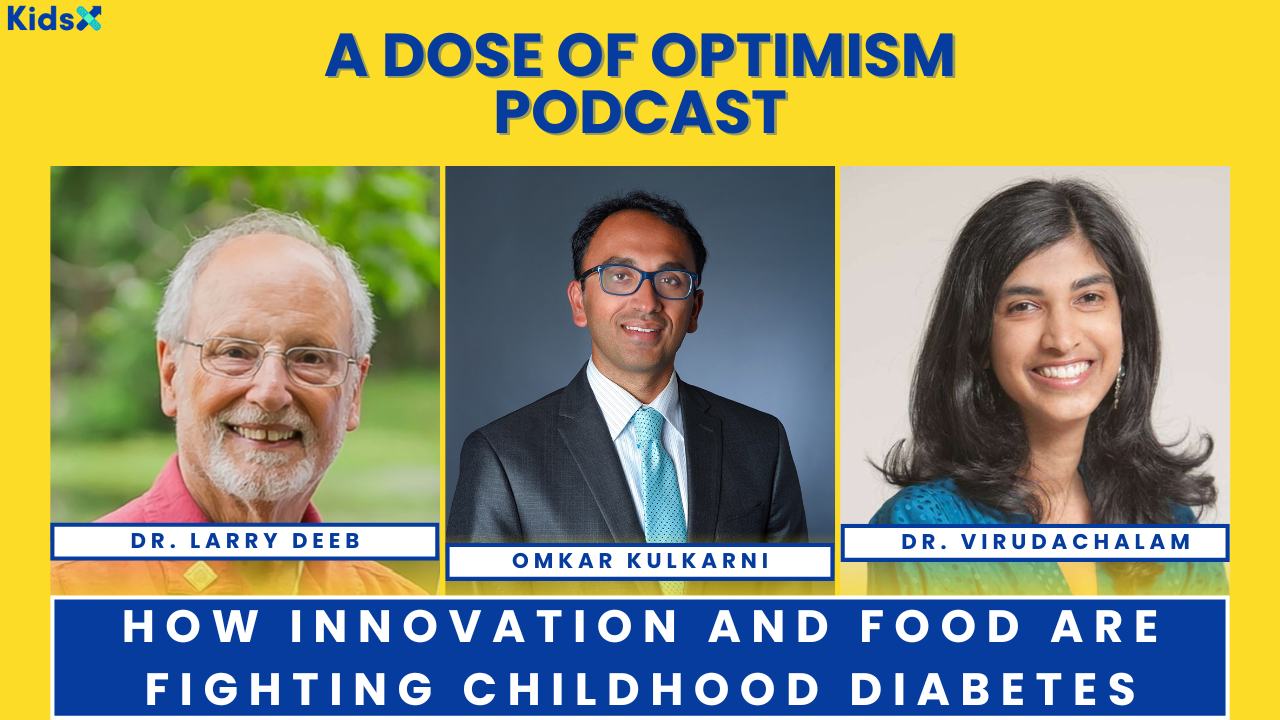
When Dr. Larry Deeb first began treating children with diabetes in the 1970s, glucose monitoring meant testing urine with strips and hoping for the best. Today, continuous glucose monitors send live data to smartphones, automated pumps adjust insulin levels in real time, and children once at risk of blindness or kidney failure are living full, long lives.
“We’ve gone from living for diabetes to living with diabetes,” Dr. Deeb reflects.
That progress is a triumph of science, and of compassion. New screening programs can identify children at risk before symptoms appear, and FDA-approved drugs may soon delay or even prevent type 1 diabetes altogether.
But innovation isn’t only happening in clinics. Dr. Senbagam Virudachalam sees the fight against chronic disease starting much earlier, in the kitchen. Through her Home Plate program at Children’s Hospital of Philadelphia, families cook together, share skills, and rediscover joy in preparing real food.
“Every parent wants to nourish their child,” she says. “We just need to make it easier for them to do that.”
By pairing medical breakthroughs with community-driven nutrition programs, doctors and innovators are tackling diabetes from both ends, treating disease and preventing it before it starts. The message is simple but profound: the future of pediatric health lies in both technology and togetherness.
Key Topics Discussed:
- The evolution of diabetes care: from urine testing to AI-driven insulin delivery
- The emotional and medical impact of continuous glucose monitoring on families
- The obesity and pre-diabetes epidemic among children
- The role of ultra-processed foods in rising chronic disease rates
- Early screening and prevention strategies for type 1 diabetes
- The link between food access, poverty, and long-term health outcomes
- How programs like Home Plate empower parents to cook, connect, and nourish
- Why the first 1,000 days of life are critical to shaping taste and health
About Dr. Larry Deeb:
Larry C. Deeb, MD, is Director for the Diabetes Center at Tallahassee Memorial Hospital and Clinical Professor of Pediatrics at the University of Florida as well as Clinical Professor in Pediatrics and Behavioral and Social Medicine at Florida State University. Dr. Deeb is in active pediatric endocrine practice, where he cares for 600 children with diabetes, and is a Past-President of the American Diabetes Association.
About Dr. Senbagam Virudachalam:
Senbagam Virudachalam, MD, MSHP is an Assistant Professor of Pediatrics at the Perelman School of Medicine and a general pediatrician at the Children’s Hospital of Philadelphia (CHOP). She is a faculty member at PolicyLab and Clinical Futures in the CHOP Research Institute and leads the Family and Community Health portfolio for PolicyLab. Dr. Virudachalam is also the Director of Food Equity for the CHOP Care Network, a primary care network that serves over 250,000 pediatric patients.
Dr. Virudachalam’s research focuses on food justice, advancing equity in diet quality, and health outcomes for all children. She studies cross-sector approaches to ensure that all children have stable access to healthy food environments at home and in their communities, enabling them to thrive and grow into healthy adults. She has extensive experience conducting community-engaged research, especially regarding the evaluation of produce prescriptions and Home Plate, a food literacy and cooking skills intervention for low-income parents that she developed in close partnership with Early Head Start. Dr. Virudachalam serves on the board of directors for The Food Trust and on the steering committee for the National Produce Prescription Collaborative.
She earned her MD from the Pennsylvania State University College of Medicine and completed her pediatric residency at UCSF Benioff Children’s Hospital Oakland. Dr. Virudachalam then earned a Master’s degree in Health Policy Research from the University of Pennsylvania while completing an academic general pediatrics fellowship at CHOP.
