


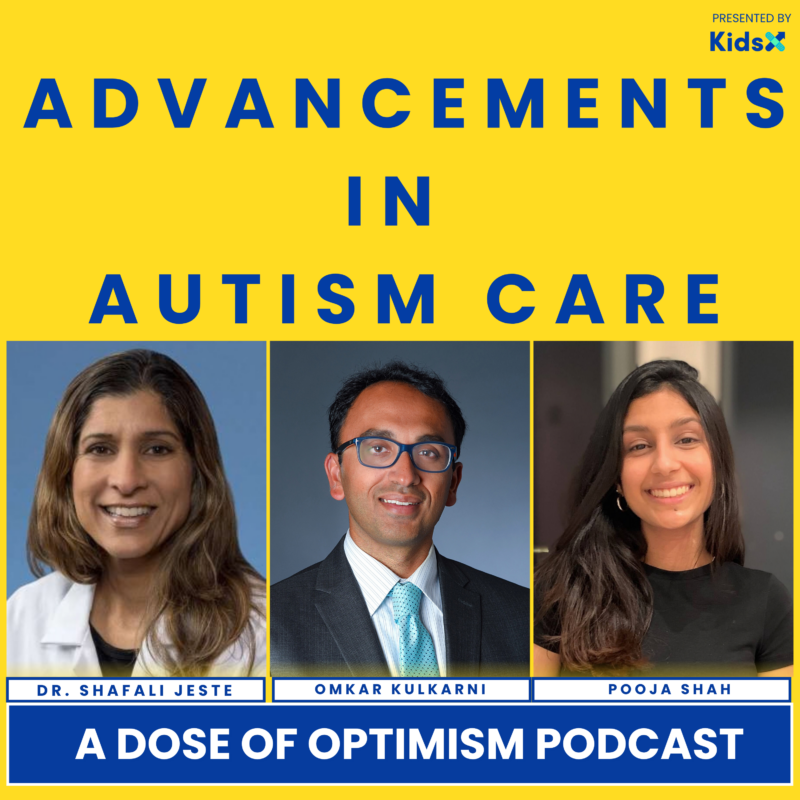
Two guests. Two very different angles on the same problem: that autism care, despite decades of growing prevalence and clinical attention, still leaves too many families without answers, without coordination, and without the tools they need to support their children effectively. One Diagnosis, Many Causes: Dr. Shafali Jeste on the Science of Autism Shafali Jeste.
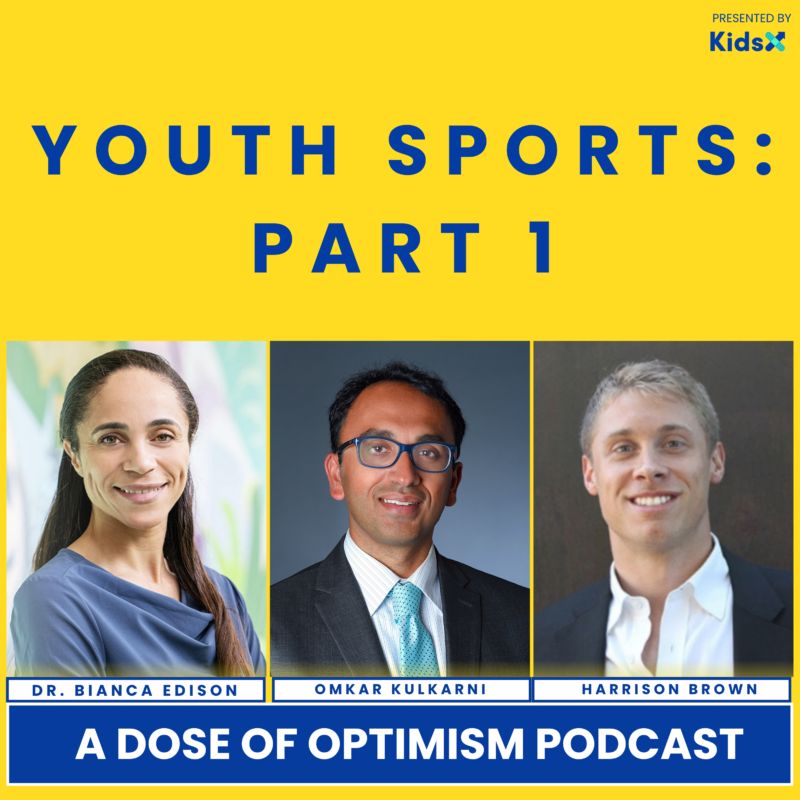
Youth sports give children so much: time management, leadership, the experience of working toward a common goal with people different from themselves, and a relationship with movement that tends to last a lifetime. They also, when the culture around them goes wrong, extract so much: sleep, joy, variety, physical health, and mental wellbeing. In this.
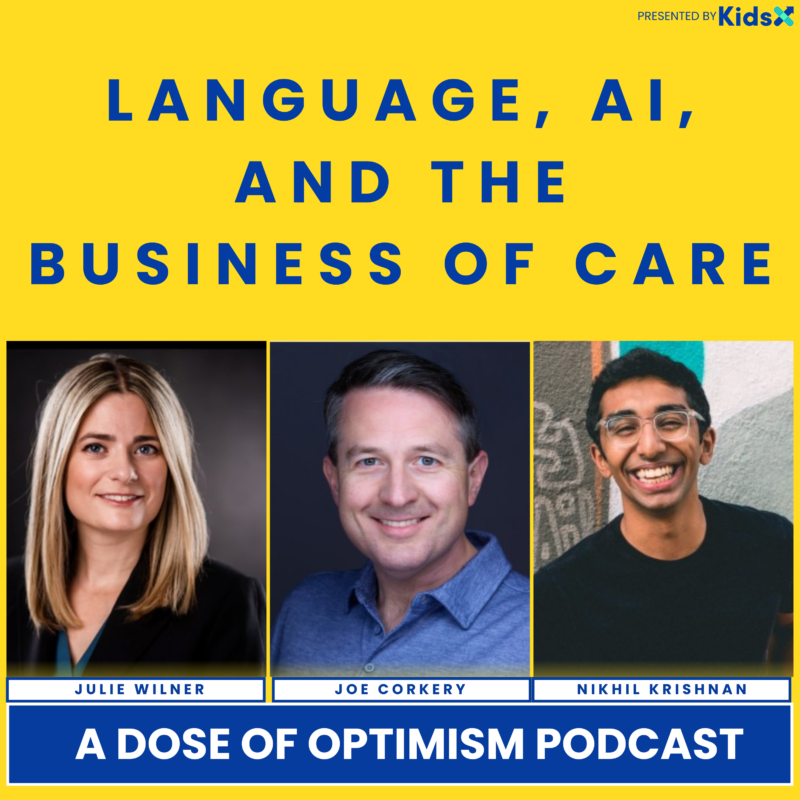
Two conversations about the same underlying problem: a healthcare system that is not quite working for the people it’s supposed to serve, and the tools, business models, and mindset shifts that could change that. HIPAA-Compliant Google Translate for Hospitals: Jaide Health When a patient who speaks Cantonese is discharged from a hospital with instructions written.
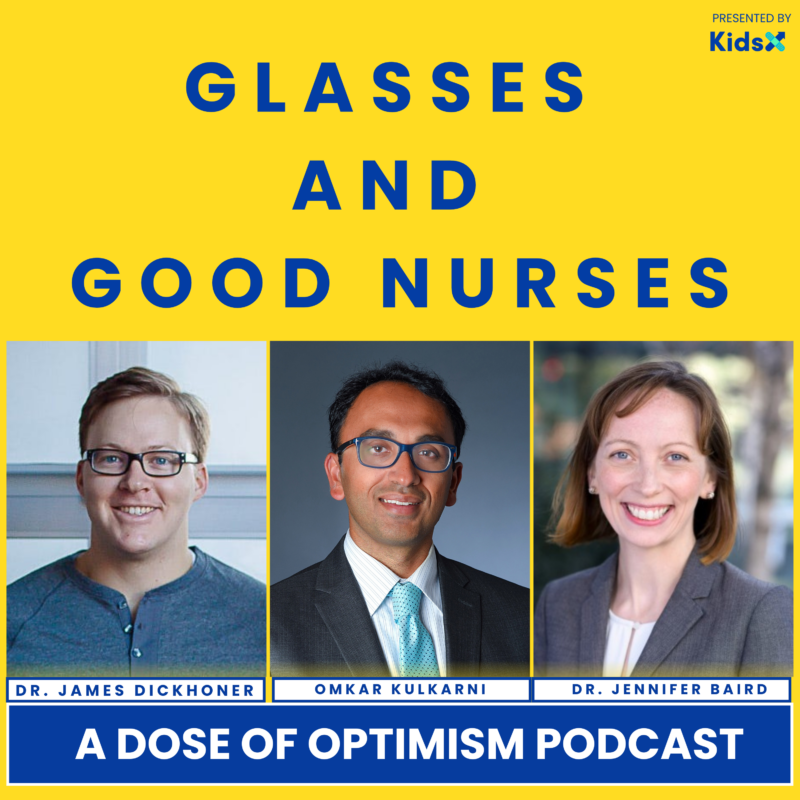
Two problems. Both are foundational. Both hiding in plain sight. A child who can’t see the board won’t learn as well as one who can. A nurse who has spent three shifts in a pediatric unit won’t be ready for the complexity of one who has spent a year. Neither problem is new. Both have.